At Torrance Tire & Auto Care, tires are one of the first places we look when trying to understand how a vehicle interacts with the road.
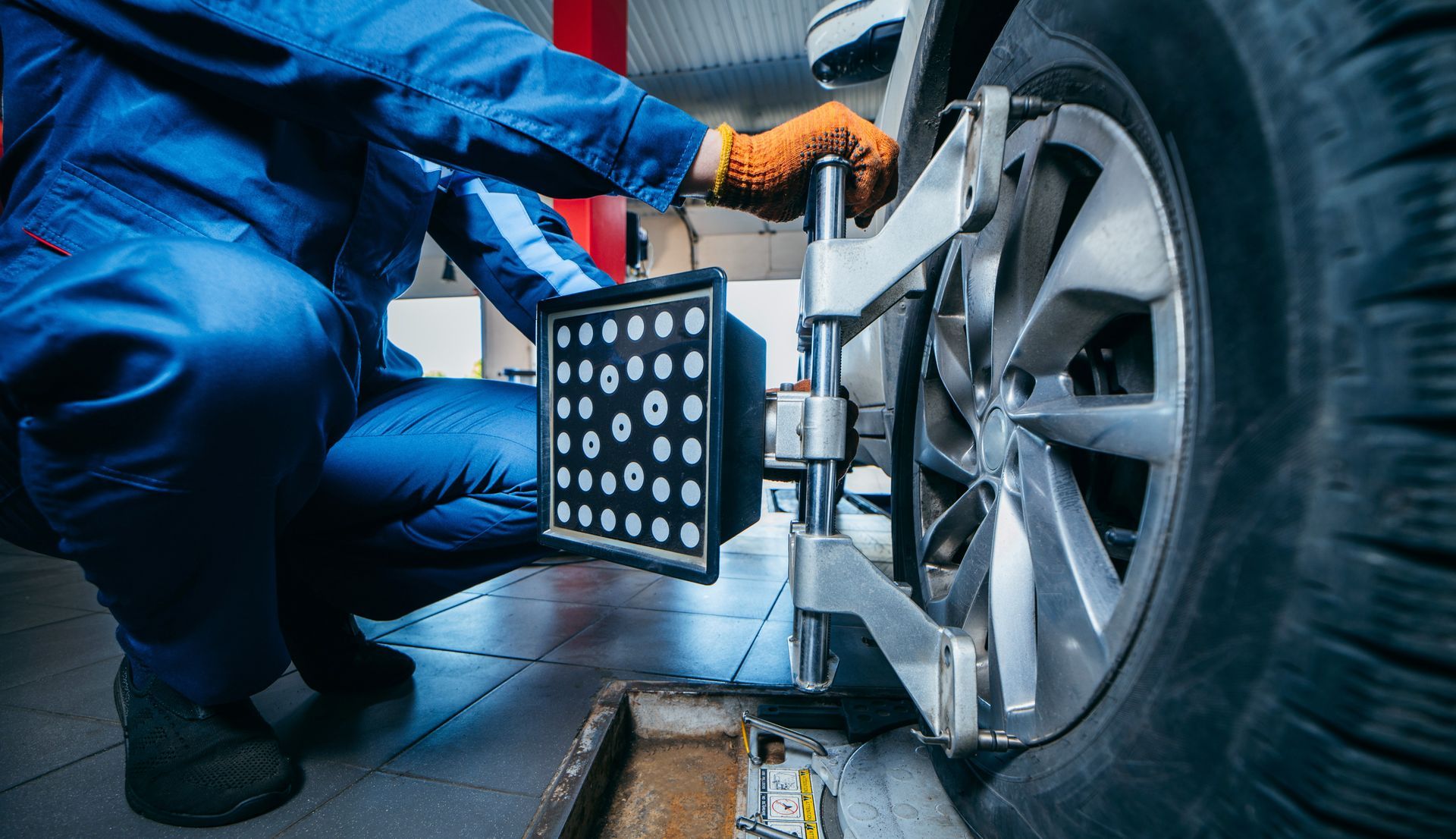
What Torrance Drivers Should Know About Steering, Tires, and Wheel Alignment Your vehicle does not need to be dramatically pulling across the road for its alignment to be off. Sometimes the first clue is much smaller. Your steering wheel sits slightly crooked. One tire is wearing differently from the others. The car feels like it wanders on the freeway. Or you simply find yourself making more steering corrections than you used to. At Torrance Tire & Auto Care , alignment is about much more than making a vehicle drive straight. Proper wheel alignment affects tire wear, steering response, handling, and how confidently your vehicle feels on the road. So how do you know when it is time to have yours checked? What is wheel alignment? Contrary to what the name suggests, an alignment involves more than just adjusting your wheels. Wheel alignment involves assessing and adjusting specific suspension angles to ensure your tires contact the road as the vehicle manufacturer intended. These angles affect the vehicle's tracking, steering responsiveness, and how evenly the tires wear. Minor adjustments can unexpectedly have significant effects over thousands of miles. What are the most common signs I need an alignment? One of the most noticeable signs is a vehicle that consistently pulls or drifts to one side. However, it is not the sole example. If your steering wheel is off-center while driving straight, it may signal an alignment issue. Uneven tire wear can also serve as a significant indicator. Some drivers also notice the vehicle feels less stable at highway speeds or needs frequent minor adjustments to stay centered. The challenging aspect is that alignment can slowly shift over time. When this happens, drivers may gradually get used to the change without noticing. Why does my steering wheel look crooked when I'm driving straight? If the road is relatively flat and your steering wheel stays angled while you drive straight, have your vehicle's alignment checked. When your vehicle is tracking correctly, the steering wheel should typically return to center. An off-center wheel doesn't specify what needs fixing, but it's a helpful sign that something needs measurement. Can hitting one pothole knock my car out of alignment? It can. A severe impact with a pothole, collision with a curb, or other road hazards can alter the suspension geometry. However, alignment issues don't always stem from a single memorable event. Daily driving also gradually affects a vehicle. Rough roads, driveway entrances, speed bumps, curbs, and regular wear and tear on components can all contribute. You might not experience a dramatic moment where you suddenly realize your alignment is off. Why does alignment matter so much for tire life? This is a major reason to pay attention to it. If a tire doesn't contact the road at the proper angle, certain parts of its tread may wear out faster than others. You might notice that while most of the tire still has plenty of tread, one edge wears excessively. Once the rubber is worn away, alignment can't restore it. Aligning properly before significant wear sets in helps you maximize your tires' value. Can I need an alignment even if my car doesn't pull? Absolutely. Pulling is just one symptom. Some alignment issues show up as irregular tire wear, while others can make the steering wheel feel off-center without any noticeable pull. This is why examining tire condition during regular maintenance is so beneficial. Your tires often show issues before your steering wheel does. Is pulling always caused by alignment? No, and this is an important distinction. Tire pressure, tire condition, braking concerns, suspension wear, and even road slope can influence how a vehicle tracks. If a vehicle pulls, the goal should be to identify why rather than automatically assuming an alignment will solve it. A proper inspection helps distinguish between an alignment problem and another issue producing a similar symptom. What is the difference between alignment and tire balancing? These services solve different problems. Alignment refers to the angles formed by your wheels and tires when they contact the road. Balancing ensures even weight distribution across the tire and wheel assembly. An imbalance typically causes vibrations at specific speeds, while an alignment problem can cause pulling, a misaligned steering wheel, or uneven tire wear. Since symptoms can overlap, it's more effective to have the vehicle inspected rather than diagnose it based on a single sensation. Should I get an alignment when I buy new tires? It is a smart time to consider having the alignment checked. A new set of tires is an investment. If your existing tires developed unusual wear because the alignment was incorrect, installing new ones without addressing the cause could allow the same wear pattern to develop again. Starting with properly aligned wheels helps give your new tires the opportunity to wear evenly. How often should alignment be checked? There is no perfect interval for every vehicle. Your driving conditions matter. If you regularly encounter rough roads, have hit a significant pothole or curb, notice unusual tire wear, or feel a change in steering, it makes sense to have the alignment evaluated. It is also useful to have alignment considered during tire replacement or suspension repairs. Why alignment matters in Torrance and the South Bay Drivers throughout Torrance experience a mixture of neighborhood streets, busy surface roads, freeway driving, construction, and everyday Southern California traffic. Those miles add up. Your alignment may change so gradually that you do not notice anything until you look closely at your tires. Routine tire and alignment inspections can help identify that wear early and protect the investment you have already made in your vehicle.
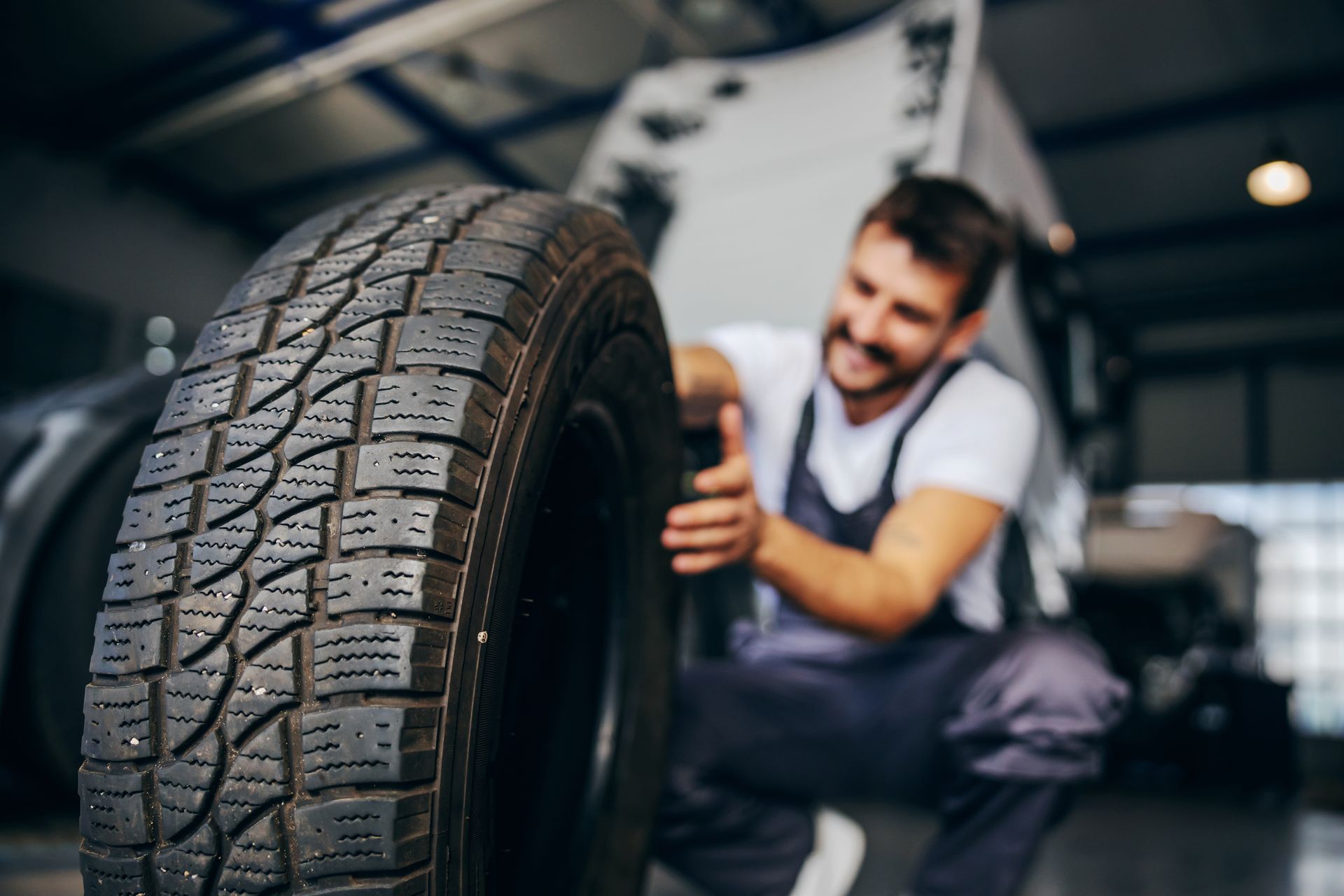
The Truth About Tire Life and How to Get the Most Miles Out of Every Set Purchasing a new set of tires is an investment, so it's only natural for drivers to wonder, "What is the typical lifespan of my tires?" Some people expect to get 80,000 miles from a set of tires, whereas others unexpectedly find themselves needing replacements much sooner. The reality is that there isn’t a straightforward answer. At Torrance Tire & Auto Care , we work daily with drivers who are often surprised by how quickly their tires wear down. Typically, the issue isn't the tires themselves. Factors like everyday driving habits, vehicle maintenance practices, road conditions, and even Southern California's climate significantly influence your tires' longevity. The good news is that you can take several steps to extend your tires' lifespan and protect your investment. Let's look at some of the most frequently asked questions drivers have about tire lifespan. So, how long should a set of tires actually last? Most passenger vehicle tires are designed to last between 40,000 and 80,000 miles , depending on the manufacturer and tire type. However, that number is only a general estimate. The actual lifespan of your tires depends on several factors, including your driving habits, your vehicle, Road conditions, Routine maintenance, and climate. Even two identical vehicles driven in the same city can experience very different tire life depending on how they're maintained. Why do some drivers replace tires much sooner than others? One of the biggest reasons is uneven tire wear. Many tires are replaced long before the tread is fully worn because one area wears significantly faster than the rest. This often happens because of improper alignment, Incorrect tire pressure, Lack of tire rotations, Suspension wear, and driving habits. When these issues go unnoticed, a tire that should have lasted another 20,000 miles may need to be replaced much sooner. Southern California roads create unique challenges Residing in Torrance means your vehicle encounters a range of driving conditions. One day, you're navigating through residential streets, and the next, you're either gliding down the Pacific Coast Highway or stuck in stop-and-go traffic on the 405. Shifting road conditions increase wear and tear on your tires. Another crucial aspect is heat. During the summer months, hot pavement puts more strain on tires. Coupled with constant braking and accelerating in traffic, this can gradually reduce tire lifespan. Regular inspections become even more crucial when your vehicle encounters these conditions daily. Does tire pressure really make that much difference? Absolutely. In fact, maintaining proper tire pressure is one of the easiest ways to extend tire life. When tires are underinflated, more tread contacts the road, creating extra friction and heat. This causes the outer edges of the tire to wear faster. Overinflated tires create the opposite problem. Too much pressure causes the center of the tread to wear prematurely. Properly inflated tires improve fuel economy, enhance handling, extend tread life, and increase overall safety. Checking your tire pressure once each month takes only a few minutes but can make a significant difference over the life of your tires. Why are tire rotations so important? Imagine wearing the same pair of shoes daily, always keeping them on the same feet without ever swapping. Over time, one shoe would wear out significantly quicker than the other. This concept is equally relevant to your tires. Depending on your vehicle, certain tires naturally bear more weight or endure greater forces during steering and braking. Regularly rotating your tires ensures even wear, maximizing the lifespan of the entire set. One of the main reasons tires tend to wear out prematurely is neglecting regular tire rotations. How often should tires be rotated? Most manufacturers recommend rotating your tires approximately every 5,000 to 7,500 miles. For many drivers, this lines up perfectly with routine maintenance visits, making it easy to stay on schedule. If you aren't sure when your tires were last rotated, your next service appointment is a great time to ask. Can wheel alignment affect tire life? Without question. Your alignment determines how your tires contact the road. When alignment angles are even slightly off, certain portions of the tread wear much faster than others. Many drivers don't realize they need an alignment because the vehicle still feels normal. Sometimes the first sign is simply uneven tire wear. Correcting alignment issues early can add thousands of miles to your tires' lifespan. How do I know if my tires are wearing unevenly? Certain signs are easy to recognize. Some need a professional inspection . Key aspects to consider include: One side of the tire is experiencing more wear than the other. The steering wheel is no longer aligned properly. Your vehicle veering to one side Driving vibrations The road noise is getting louder than normal. If you notice any of these symptoms, it's wise to get your tires inspected before the wear becomes significant. Does my suspension affect my tires? Yes. Your suspension system keeps your tires properly planted on the road. As shocks, struts, bushings, and steering components begin to wear, they can allow excessive movement that affects tire wear patterns. Sometimes drivers replace their tires only to discover the new tires begin wearing unevenly for the exact same reason. That is why inspecting the suspension is just as important as inspecting the tires themselves. Can driving habits shorten tire life? Absolutely. Aggressive acceleration, hard braking, and fast cornering all place additional stress on your tires. Smooth driving habits not only improve safety but also help maximize tread life. Simple habits such as avoiding sudden stops and maintaining safe following distances can help your tires last significantly longer. When should tires actually be replaced? Every tire eventually reaches the end of its useful life. Replacement may be necessary when: The tread becomes too shallow Uneven wear affects performance The tire has sustained damage Cracks begin developing due to age The tire can no longer provide safe traction Regular inspections help determine when replacement is appropriate rather than relying solely on mileage. Investing in maintenance protects your investment While many people focus on the cost of buying tires, they often neglect the maintenance needed to extend their lifespan. Regularly rotating tires, inspecting alignments, checking pressure, and evaluating the suspension are minor expenses compared to the cost of prematurely replacing an entire set of tires. Paying a bit of attention to your tires year-round can significantly extend their lifespan by thousands of miles. This reduces the need for replacements, improves performance, and increases long-term value.